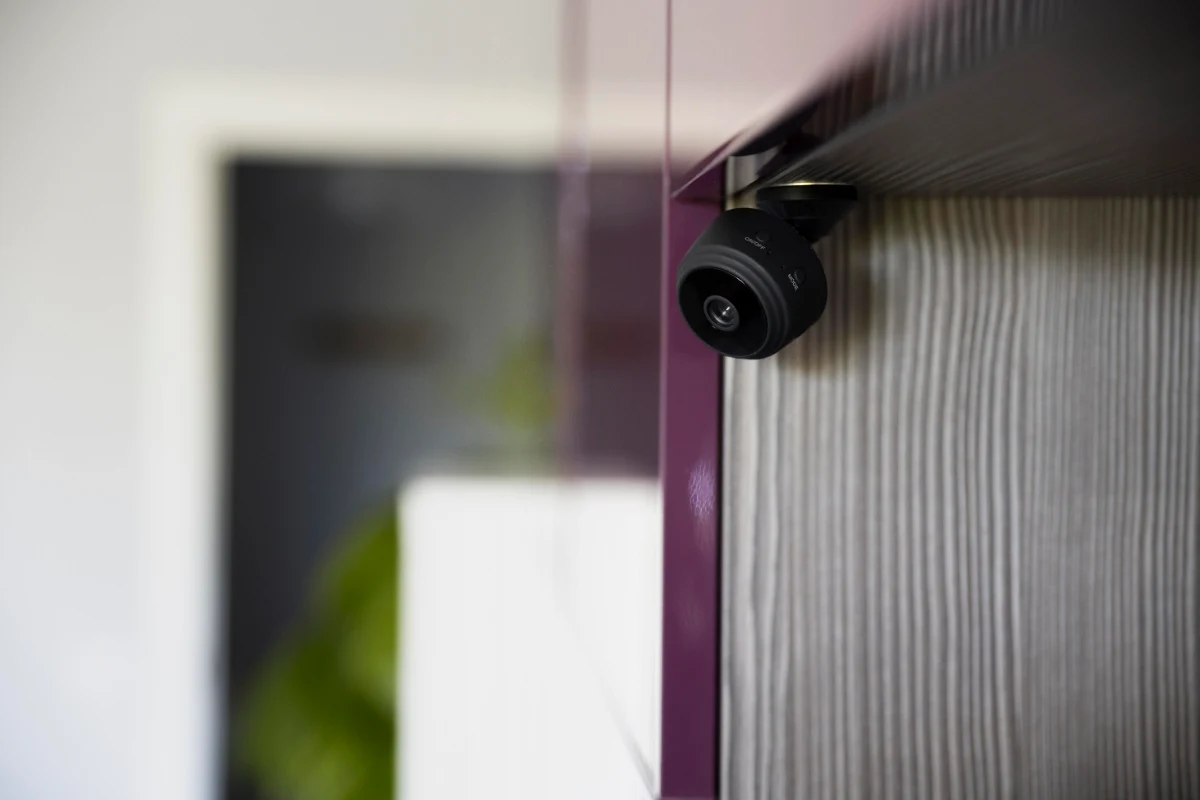
Not that long ago, most businesses in Chicago felt fine with a basic setup. A few cameras, maybe an alarm, and standard Business Security Upgrades were something to check only if anything went wrong. It was simple, and for a while, it worked.
But things don’t really stay simple for long. By 2026, the way businesses think about security has shifted quite a bit. It’s not just about catching incidents anymore. It’s more about avoiding them in the first place, or at least seeing them coming early enough to do something about them.
Why Passive Security is Failing Chicago Businesses
Chicago businesses are now dealing with faster-paced environments. Offices, warehouses, retail spaces, everything moves quickly. If something unusual happens, waiting until after the fact doesn’t really help much. You need something that notices it as it’s happening, or even before it fully turns into a problem.

Where Most Chicago Businesses Misallocate Their Security Budget
It usually looks fine on the surface. Cameras are installed, systems are running, and maybe there’s been a few upgrades over the years. But when you look closer, the setup is still doing the same thing it did years ago, just with newer equipment. Still reactive, still disconnected, still not really preventing much.
The Hidden Costs of Maintaining Unmonitored Legacy Systems
Older systems don’t always fail in obvious ways. They keep running, recording, storing footage, doing what they were designed to do. But without proper monitoring or updates, they slowly lose value.
Things get overlooked. Alerts don’t always mean anything because no one is really watching them closely. Small issues sit there longer than they should.
Shifting Your Focus from “Recording Crime” to “Professional Prevention”
Recording incidents has its place, but it’s not the same as stopping them. More businesses are starting to realize that prevention comes from awareness, not just documentation. That usually means combining technology with actual oversight. Someone who can interpret what’s happening, not just collect data.
It changes how security fits into daily operations. Instead of being something you check after a problem, it becomes part of how you avoid problems altogether.
Overlooking Compliance Until It Becomes Expensive
Compliance has become harder to ignore, especially with changes around AI and workplace monitoring in Illinois. An audit helps make sense of that. It highlights gaps that aren’t always obvious and gives businesses a clearer idea of where they stand.
It’s a quieter kind of protection, but it matters. Avoiding one compliance issue can save a lot more than people expect.
Strategic Business Security Upgrades: Moving Budget from Recovery to Prevention
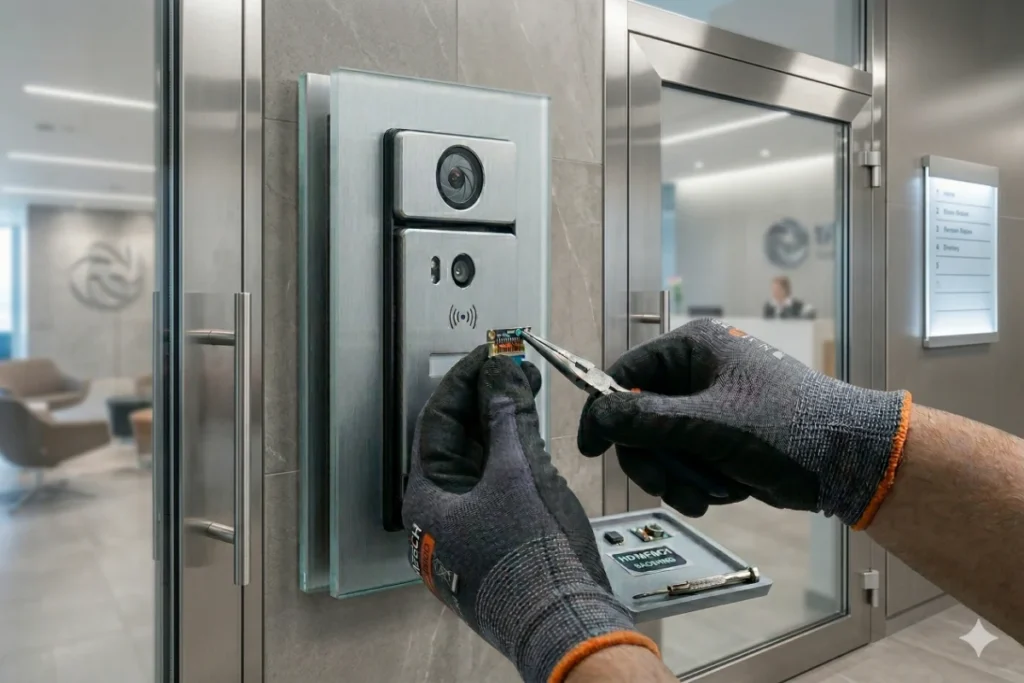
Spending money after a problem is easy to justify. You can point to the damage, the loss, the downtime. It’s visible. Prevention is quieter. You’re paying to stop something that might not even happen.
But when you look at it over time, the difference becomes clearer. A single incident can affect operations, schedules, and internal teams more than expected. Shifting budget toward prevention through strategic Business Security Upgrades is less about increasing costs and more about avoiding unnecessary ones. The right upgrades tend to reduce friction across the board, even outside of security.
Beyond the Camera: Investing in Managed AI Video Analytics
Most places already have cameras, so adding more isn’t always the answer. What’s changing is what those cameras can actually do.
AI video analytics can pick up patterns that people would miss. It can notice unusual movement, flag behavior that doesn’t match the normal flow, or catch small things before they turn into something bigger. But without proper setup, it can also create confusion.
How Smart Upgrades Protect Your Liability
With newer rules around AI transparency and workplace privacy, businesses are expected to be more careful about how security systems are used.
That includes how footage is stored, who has access, and how monitoring is communicated. These details aren’t always obvious, but they matter.
Upgraded systems make it easier to stay organized and consistent. They reduce the risk of overlooking anything and help businesses stay aligned with current expectations without overcomplicating things.
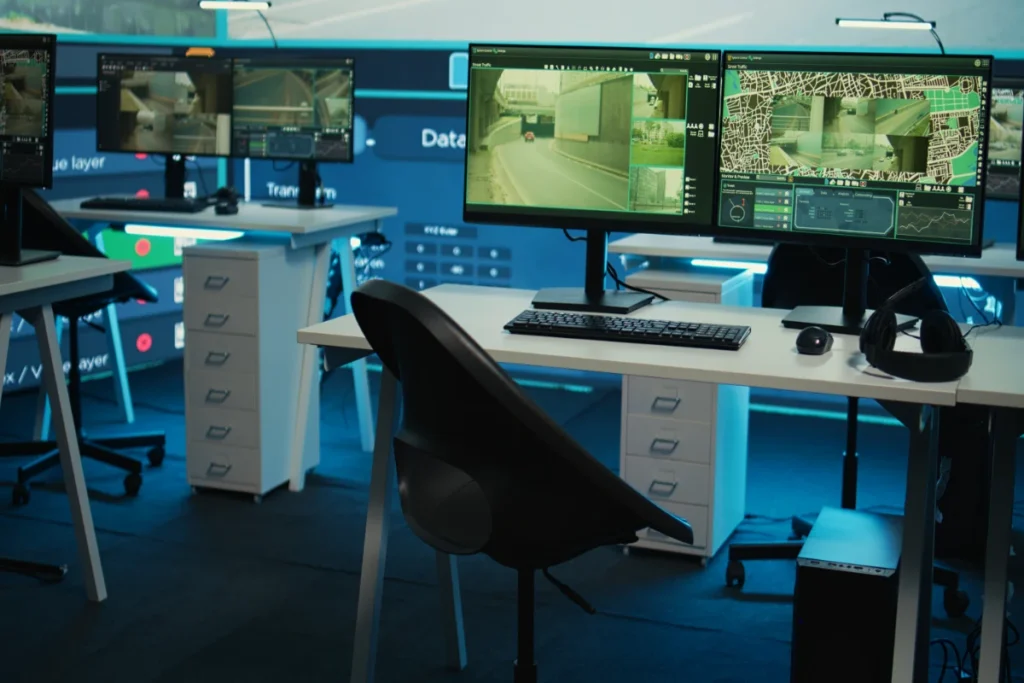
Future-Proofing Your Facility with Advanced Security Solutions
Keeping your business secure in 2026 isn’t just about adding more tools; it’s about having the right setup in place and people who know how to manage it.
That’s where Advanced Guards comes in. We help Chicago businesses upgrade their business security with practical solutions like residential security, access control, and on-site support, all built around how your facility actually operates. Whether you’re updating an older system or planning something more advanced, the goal stays the same: fewer risks, smoother operations, and a setup you don’t have to second-guess.
If you’re looking to upgrade your business security in Chicago, contact Advanced Guards to see how we can help.
Freqently Asked Questions
Business security upgrades FAQS
When should a business consider upgrading its security system?
Usually, when systems feel outdated, incidents are increasing, or operations have grown beyond what the current setup can handle.
Are security upgrades expensive for small businesses?
Not always. Many upgrades can be scaled based on budget, and even small improvements can reduce long-term costs.
How does AI improve business security?
AI helps identify unusual patterns, detect risks early, and reduce the need for constant manual monitoring.
What is the difference between old and modern security systems?
Older systems mainly record events, while modern systems can detect, analyze, and respond to activity in real time.
What questions should be asked before hiring an armed security service?
Before hiring armed security, ask about licensing, training hours, firearms qualifications, incident reporting, supervision, and insurance coverage. Chicago retailers also request references and sample post orders.